The State of Philadelphia at 250
Fifty years from now, people will remember where they were this summer. Whether Philadelphia will remember what it did with it is a different question.

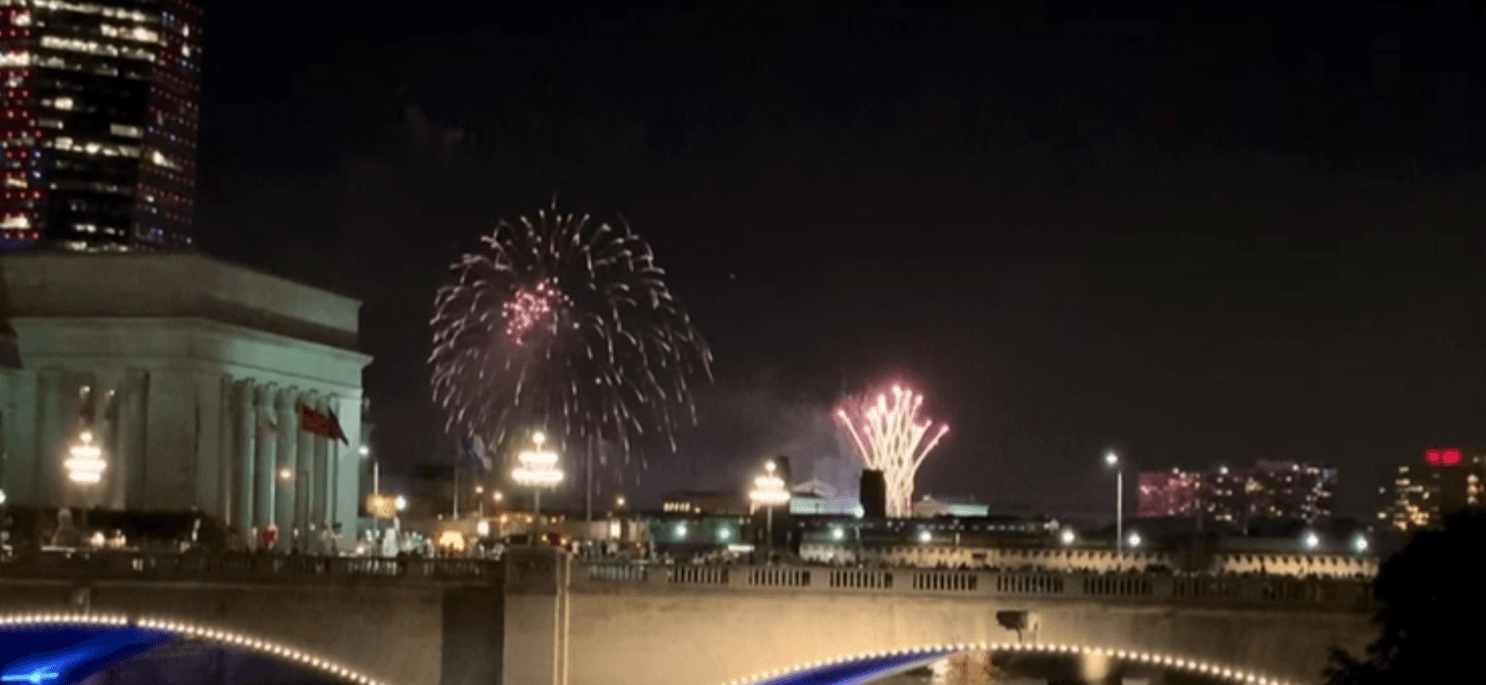
It has been about ten years since Philadelphia last did this. Scrubbed itself up, shook off the rust, put its best face forward for a run of big moments. It’s once again cleaning itself up, planting new trees, removing graffiti, and reopening long-shuttered spaces. The First Bank of the United States has opened its doors to the public for the first time in half a century. Independence Hall has a fresh coat of paint. Old City is drawing people in with a remarkable concentration of living history: Betsy Ross' original sewing table, just donated by a direct descendant after 160 years in a Maryland farmhouse, now sits at the Betsy Ross House. The chair Jefferson used to write the Declaration is on view at the American Philosophical Society around the corner. And at the Museum of the American Revolution, Washington's wartime headquarters tent continues to be one of the more genuinely moving things you can experience in any American city. The inner city looks about as vibrant as it has in the last decade and a half. At 63 homicides so far this year, reported crime is at a generational low, down sharply from its recent peak years. Sporting events, day festivals, pop-up programming. A lot of people worked hard to make this a special Fourth of July.
And yet I cannot help but feel a bit melancholy about the whole thing. Part of that is personal. Millennial Philadelphia has started moving on to the next stages of life, kids and suburbs and quieter weekends, and the city of my youth is slowly becoming something different. During the Pope visit, the DNC, the NFL Draft, it really felt like Philly was coming back onto the national scene. Fast-forward ten years, and it is hard not to feel like the city possibly missed a window.
During the 2010s, Philadelphia's share of college-educated residents roughly doubled. In the 2020s, that growth has largely stalled, flatlined for the better part of five years, while cities like Chicago and New York continue attracting educated residents at pace. At the same time, the longtime white working-class population of Northeast and Northwest Philadelphia has been dispersing. The neighborhoods themselves are not emptying out, but the people who built the tax base there are leaving the city entirely rather than just moving within it, being replaced rather than replenished. That has consequences that are only starting to become visible.
Which brings up the bigger structural problem: the Eds and Meds economy is showing cracks for the first time in decades. This is not entirely Philly-specific, but Philadelphia is particularly exposed because it never managed to diversify. The city that once prided itself on making everything and employing everyone in the process never built a tech community that translated into real commercial scale. Schuylkill Yards, for all the ambition behind it, attracted a handful of buildings and little else. The anchor tenant that could have changed the city's trajectory never came.
On top of that, hospitality operators are reporting that this summer is shaping up as a tourism disappointment. Early indications show bookings have not met expectations. That is probably not surprising given the current federal hostility toward foreign visitors and Philadelphia's complicated international image. Most of what much of the world knows about modern Philly comes from short clips of Kensington Avenue, and that is a shame.
Philadelphia at 250 is a city that still has more going for it than it often gets credit for, and more working against it than the celebratory banners suggest. The bones are extraordinary. The history is unmatched. The people who stayed and are still here deserve a moment like this one. But a milestone anniversary has a way of throwing the longer arc into relief, and that arc has been flatter than it should be. The window that opened around 2015 is not fully closed, but it is narrower now. Whether the city finds a way to wedge it back open, or whether this summer becomes the high-water mark of a long, graceful plateau, is genuinely hard to know. What is not hard to know is that the version of Philly most of the world carries in their head has nothing to do with any of this. It has nothing to do with the sewing table or the tent or the newly opened bank or the record-low homicide count. It is a few seconds of footage from one street. Philadelphia has always had to fight for its reputation. At 250, that has not changed.