Kicking the can: SEPTA goes unaddressed in 2026 PA budget
Pennsylvania signed a $50.8 billion budget on July 12. While it runs to more than 600 pages, Mass transit didn't make the cut.

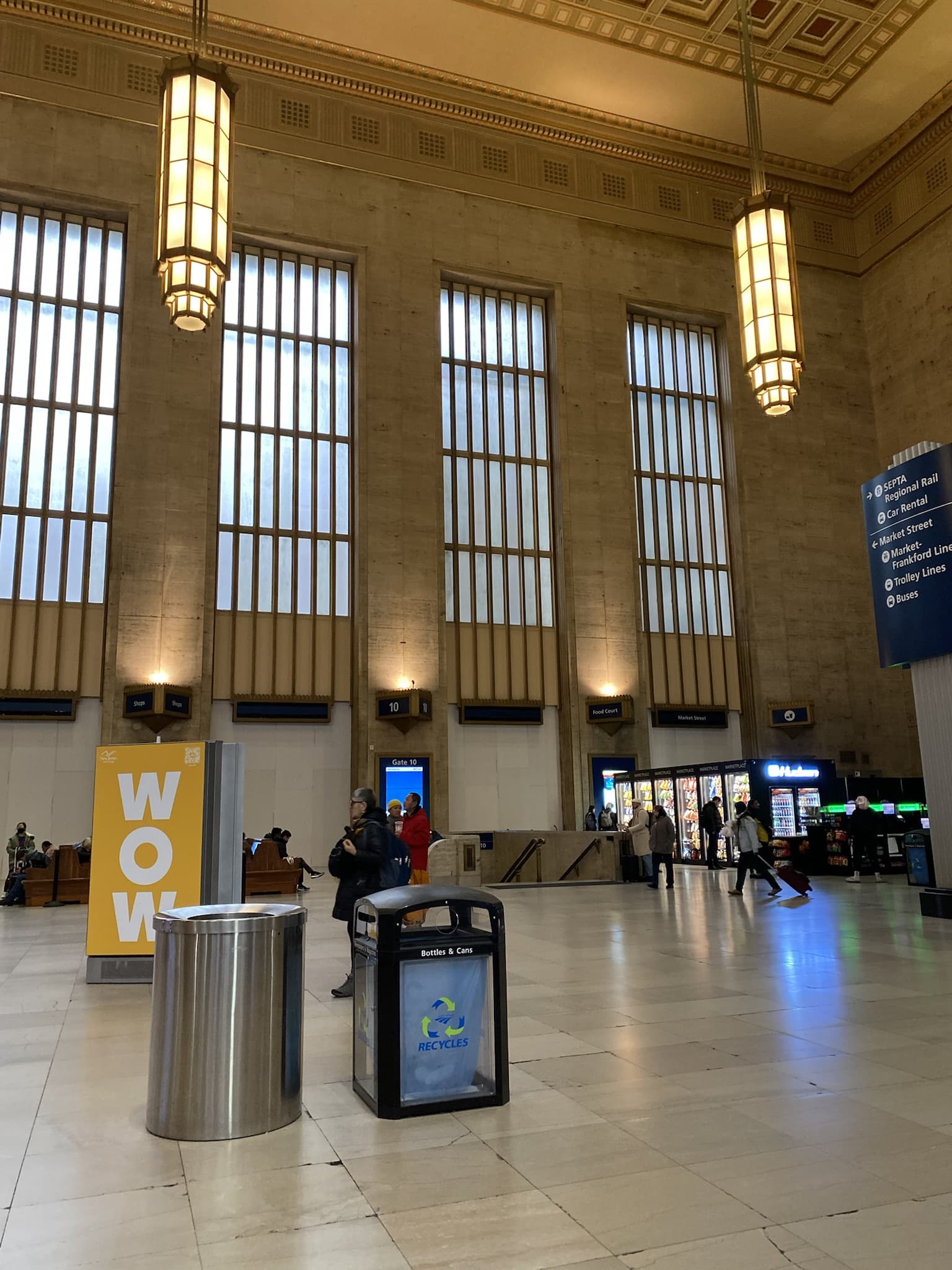
Kicking the can: SEPTA goes unaddressed in 2026 PA budget
This is the fifth consecutive year Gov. Josh Shapiro has signed a state budget without a permanent funding solution for SEPTA and the state's 56 other transit agencies. At the signing ceremony, Shapiro's public remarks on transit ran to three words: "funding mass transit," listed alongside other things he said he still wants to do.
SEPTA itself is not in immediate danger. That is worth separating from the larger failure, because it is the reason this year's punt looks less alarming than last year's.
What's actually holding SEPTA up
In October 2025, the SEPTA Board voted to transfer $394 million from its capital budget into operations, a maneuver PennDOT approved on an emergency basis to head off service cuts through fiscal year 2027. That followed a separate $220 million one-time state payment the year before, sent after a string of Silverliner IV fleet fires. Combined with roughly $30 million a year in austerity savings, cost-cutting and management changes have taken SEPTA's structural deficit from $213 million down to $192 million.
None of that is new revenue. It is capital money, meant for buses, station accessibility work and railcar replacement, redirected to keep trains running today. SEPTA's own numbers show the cost of that trade. The agency's state-of-good-repair backlog has doubled in the past decade to $10.2 billion. Its proposed FY2027 capital budget leans on $4.3 billion in borrowing over 12 years and still does not fully fund replacement of the Broad Street Line's cars, which are approaching 50 years old. SEPTA's capital funding remains, by its own account, between a third and a half of what peer transit systems receive.
The bridge runs out after FY2027. Nothing in this budget replaces it.
Why it keeps not happening
The fight is the same one that produced last year's near-collapse. Shapiro's preferred fix, in place since his first term, would permanently increase the share of state sales tax revenue that flows to transit, sending an estimated $319 million a year to agencies statewide. It has passed the Democratic-controlled House multiple times. It has not passed the Republican-controlled Senate.
Senate Republicans' stated objection is about the size of the commitment, not the amount currently at stake: permanently dedicating a larger share of sales tax revenue to transit means less available for other programs, at a time GOP leadership says Pennsylvania's structural deficit already needs addressing. Some Republicans have gone further. Senate President Pro Tempore Kim Ward said in 2025 that SEPTA was "manufacturing a crisis" to get what it wanted; other Senate Republicans have argued the agency is not run efficiently enough to justify new money that could instead fund roads and bridges. Sen. Frank Farry, a Bucks County Republican whose district depends on SEPTA service, is the exception. He has pushed publicly for a long-term deal and taken political attack ads for it from within his own party's orbit.
A second clock, separate from the budget
One thing is different this year. On June 15, the Pennsylvania Supreme Court ruled, 5-2, that so-called skill games, the slot-machine lookalikes that have spread to an estimated 70,000 locations across the state, are legally slot machines and subject to the state's gaming law. The ruling reversed a 2023 Commonwealth Court decision that had found the games legal. The court stayed enforcement for 120 days, giving the legislature until mid-October to regulate and tax the machines before law enforcement can act.
The Independent Fiscal Office estimates a regulated, taxed skill games market could generate more than $1 billion a year in state revenue. Shapiro's budget proposal would tax the machines at 52 percent, the same rate applied to casino slots, which he projected would bring in $765.9 million in the first year alone. Senate Republican leadership has floated 35 percent instead. Sen. Gene Yaw, a Republican whose district includes skill game manufacturer Miele Manufacturing, has introduced a competing bill at 16 percent.
Rate is not the only fight. Ward and Senate Majority Leader Joe Pittman have said new gaming revenue should go to the state's general fund, not be earmarked for transit, directly at odds with the funding push Democrats and transit advocates have built around it. Pace-O-Matic, the dominant skill games software maker and a plaintiff in the case, said in a statement it was "disappointed" in the ruling and warned that more than 10,000 small businesses and fraternal clubs now face losing an important revenue source either way, through enforcement or through what it called "crippling taxation." The company said it would work with lawmakers inside the 120-day window toward a legislative fix.
Whether skill games money is legally tied to transit or not is now a live question with an actual deadline attached to it, mid-October, months before the next budget cycle would otherwise force the issue.
Beyond Philadelphia
SEPTA's temporary cushion is not shared statewide. Rabbittransit, which serves York County, says it has zero dollars allocated this cycle and is preparing for a 30 percent service cut next year. Agencies in Lancaster, Westmoreland County and the Lehigh Valley are weighing separate cuts. Paratransit and shared-ride services, which serve riders with disabilities and older adults across the state, are described by advocates as in crisis independent of the fights over the state's two largest systems.
Pennsylvania's 57 transit agencies split roughly $2 billion in state aid annually, distributed by a formula based on ridership and vehicle miles traveled. A sales tax reallocation, the plan currently stalled in the Senate, would direct new money to all of them, not just SEPTA and Pittsburgh Regional Transit. A more aggressive proposal from Sen. Nikil Saval and other progressive lawmakers, the Transit for All PA package, would add a 6 percent rideshare fee and higher car rental and lease charges on top of the sales tax plan, aiming to close agency deficits fully rather than patch them.
The pattern
Every version of this fight has produced the same outcome: a short-term bridge for SEPTA, a longer emergency for everyone else, and a legislature that says the votes for a permanent answer are still not there. Skill games gave lawmakers a new revenue source and a fixed deadline this year that didn't exist in past cycles. They left the budget table without using either.